Can I experience Italian farm pet bonding?
Bonding with animals on an Italian farm requires patience, respect for local livestock, and an understanding of the rural environment. This guide focuses on how visitors can interact safely with pets and animals in the Italian countryside. You should prioritize observing natural behaviors over forced contact, and note that interaction levels depend on the specific farm's management.
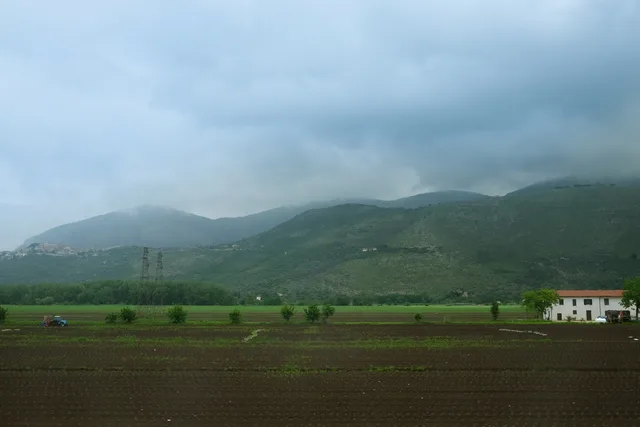
* Observe animal body language before approaching. * Respect the boundaries of working farm dogs. * Use calm, low movements to build trust. * Check farm rules regarding specific livestock.
How to start Italian farm pet bonding?
Walking through a sun-drenched olive grove, you spot a small dog trotting near a stone wall. To begin Italian farm pet bonding, you must first observe the animal from a distance to gauge its temperament. Approach slowly, avoiding sudden gestures that might startle the creature.
Building a connection begins with stillness. While many animals in these rural settings are used to humans, they often remain wary of strangers. By sitting quietly, you let the animal investigate your scent and presence at its own pace.
This method ensures the interaction remains positive for both the visitor and the pet.
However, this approach may be less effective if the animal has a history of trauma.
What defines Italian farm animal life?
A heavy wooden gate creaks open, revealing a courtyard where goats graze near a sleeping cat. Understanding Italian farm animal life involves recognizing that pets often serve functional roles, such as guarding or pest control.
According to World Bank data, Italy recorded agricultural land share of 43.6% in 2024.
These animals are integrated into the daily rhythm of the agricultural landscape.
The lifestyle of these animals is deeply tied to the land.
Pets on Italian farms are not just companions but active participants in the farm's ecosystem.
According to World Bank, the 2021 record includes 17.5%.
Can I experience Italian rural pet experience?
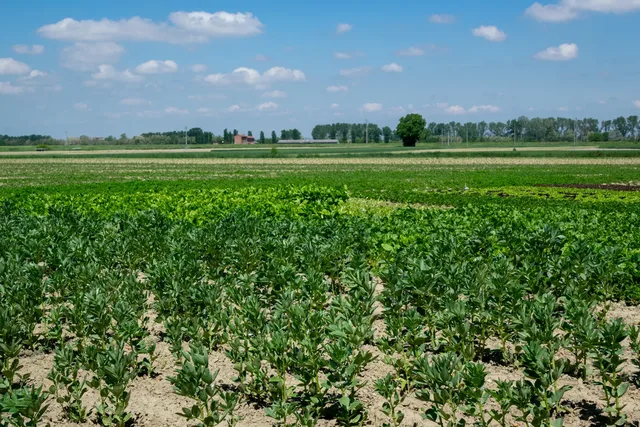
The scent of rosemary fills the air as a shepherd dog watches a flock from a shaded porch. Seeking an Italian rural pet experience often means staying at an agriturismo, where direct contact is possible.
These stays provide a unique window into how animals and humans coexist in a working environment.
Engaging with these animals provides a sense of tranquility found nowhere else. You might find yourself brushing a donkey or watching a cat nap in a hayloft. Such moments offer a deep sense of peace, provided you follow the guidance of the farm owners.
This opportunity is not available for individuals with severe animal allergies.
How to manage farm pet interaction?
A farmer hands you a small piece of dried grain as you approach a stable. To manage farm pet interaction effectively, follow these steps:
- Ask the farm owner for permission before touching any animal. 2. Extend your hand low to allow the animal to sniff you first. 3. Use a soft, steady voice to maintain a calm atmosphere.
After completing these steps, take a moment to step back and ensure the animal remains relaxed. I found that sitting on a low stool near the enclosure allowed the animals to approach me more naturally than if I had stood upright.
- Observe the animal's body language from a distance.
- Approach slowly using a calm voice.
- Offer a small treat to establish trust.
What are the tips for an Italian countryside pet life?
The golden light of late afternoon hits the farmhouse as a cat stretches near a terracotta pot. Finding success in an Italian countryside pet life experience involves respecting the animal's territory. Every farm has its own social hierarchy among its residents.
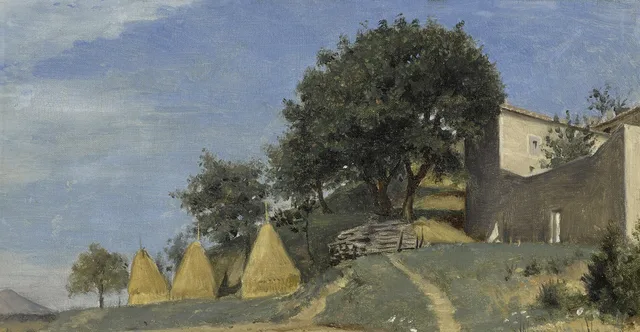
Learning the specific habits of the resident pets can enhance your visit. Some dogs may be friendly with visitors, while others may strictly guard their territory. Observing these nuances helps you navigate the farm without causing stress to the animals or disrupting their routines.
| Interaction Type | Primary Focus |
|---|---|
| Passive Observation | Watching natural behaviors |
| Guided Contact | Interaction under supervision |
These methods are not applicable to high-stress environments or crowded petting zoos.
What should visitors avoid during animal bonding?
Visitors should avoid forced contact and sudden gestures that might startle the animals. To ensure safe bonding, you must prioritize observing natural behaviors rather than attempting to control the animal's movements.
If an animal shows signs of being wary, you should maintain your distance to respect its boundaries.
Comparing passive observation to guided contact reveals different levels of engagement. Passive observation focuses on watching natural behaviors from afar, whereas guided contact involves interaction under direct supervision.
You should choose the method that best aligns with the farm's specific management rules.
Always exercise caution when approaching working farm dogs. These animals have specific roles to perform, and their boundaries must be respected to prevent stress.
If you are unsure about an animal's temperament, compare its current body language to the guidance provided by the farm owner before proceeding.
Avoid sudden movements, though this rule does not apply if an animal is already approaching you.
How does temperament affect bonding?
Animal temperament determines whether you should use passive observation or guided contact. If an animal is wary or shows signs of trauma, you must prioritize distance over physical interaction. Comparing a friendly pet to a working livestock animal reveals that different levels of caution are required for each.
When bonding with animals, you should monitor if the creature is startled by your presence. If the animal remains relaxed after you extend your hand, you may continue the interaction. However, if the animal shows signs of stress, you must step back immediately to respect its boundaries.
Always compare the animal's body language to the farm owner's instructions. This comparison ensures you do not disrupt the daily rhythm of the farm or the specific roles of the working animals.





Comments 0