Italy wildlife watching guide with 43.6% land share
"The quiet rustle of olive groves and the distant call of a hawk define the true spirit of the Mediterranean landscape."
This Italy wildlife watching guide helps travelers safely observe local fauna by respecting natural boundaries and understanding the vast rural terrain.
You should focus on early morning or late evening hours to spot animals, avoid feeding any creatures, and stay on marked paths to prevent habitat disruption. A significant limitation is that wildlife visibility depends heavily on the specific season and the density of the local vegetation.
How can I find the best Italy wildlife watching guide locations?
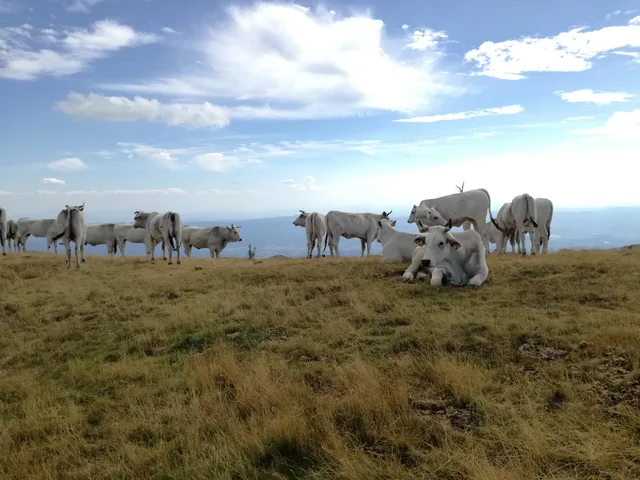
A hiker steps onto a dusty trail in the Tuscan hills, feeling the warmth of the morning sun on their neck. Finding the right spot requires understanding the landscape, as much of the country remains dedicated to traditional land use.
According to World Bank data, Italy recorded an agricultural land share of 43.6%.
According to World Bank data, Italy recorded agricultural land share of 43.6% in 2024.
This high percentage of agricultural land means that many animals live in the borders between cultivated fields and wilder patches. Exploring these transition zones is essential for Italian nature spotting.
You will find that the edges of vineyards and olive orchards often serve as corridors for smaller mammals and birds.
What gear is necessary for Italian nature observation?
A photographer adjusts the focus on a long lens while crouching behind a stone wall in a quiet valley. Effective Italian nature observation requires tools that allow you to maintain a respectful distance from the subjects.
Binoculars are a primary necessity for spotting birds in high canopy trees or predators in distant scrubland.
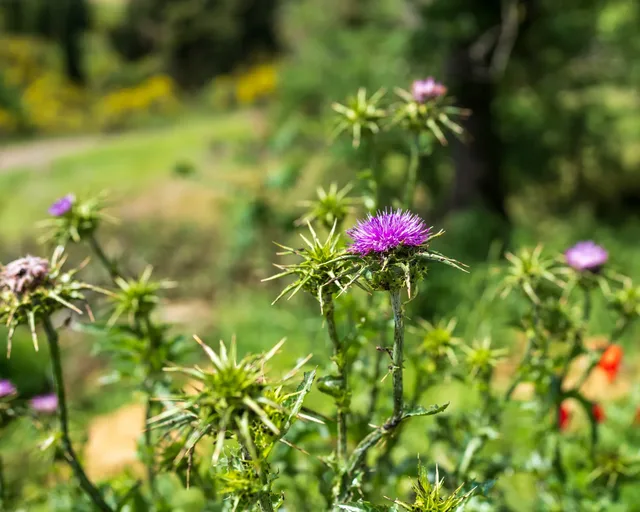
When engaging in safe wildlife viewing Italy, you must prioritize camouflage and silence. Wear muted colors that blend with the earth and stone to avoid startling the animals.
Carrying a lightweight tripod can help stabilize your view during the long periods of waiting required in the rural countryside.
According to World Bank, the 2024 record includes 43.6%.
How do I follow an Italy rural wildlife tour safely?
A traveler walks slowly through a grove, mindful of every step on the uneven ground. Following an Italy rural wildlife tour requires a disciplined approach to movement and noise control. To ensure your safety and the well-being of the animals, follow these three steps:
- Maintain a minimum distance of at least fifty meters from any large mammal to prevent defensive behavior. 2. Use silent hand signals or whispers when communicating with companions to avoid breaking the stillness of the environment. 3. Always check the weather forecast to avoid being caught in sudden storms that could drive animals into closer contact with human paths.
After completing these steps, perform a final check of your surroundings to ensure you have not left any trash or scent markers behind. I have found that staying still for ten minutes often yields better results than constant movement.
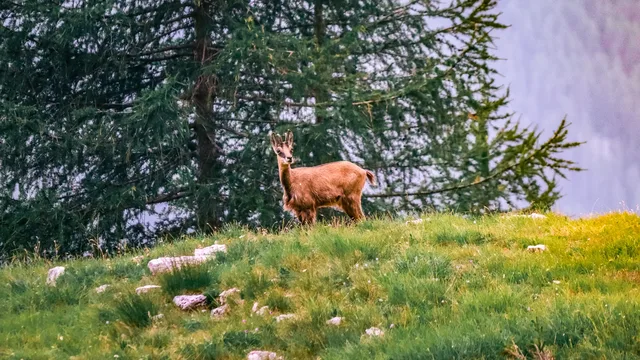
- Stay on the marked trails at all times.
- Maintain a respectful distance from all animals.
- Listen closely to your guide's instructions.
What are the best times for watching animals in Italy?
The sun begins to dip below the horizon, casting long shadows across a rolling meadow. Watching animals in Italy is most successful during the crepuscular hours of dawn and dusk. During these times, the temperature is more moderate, and many species emerge from their daytime shelters to forage.
| Time of Day | Activity Level | Visibility |
|---|---|---|
| Dawn | High | Moderate |
| Dusk | High | Moderate |
The transition between light and dark creates a sensory shift in the countryside. I prefer the stillness of the early morning when the air is crisp and the sounds of the forest are most distinct.
I find that the second step in the seasonal transition is the most important.
What should I avoid during my trip?
A group of hikers approaches a nesting site, but a guide quickly signals them to stop. To maintain the integrity of the ecosystem, certain behaviors must be strictly avoided. You should never attempt to approach a nesting bird or a denning animal, as this causes extreme stress.
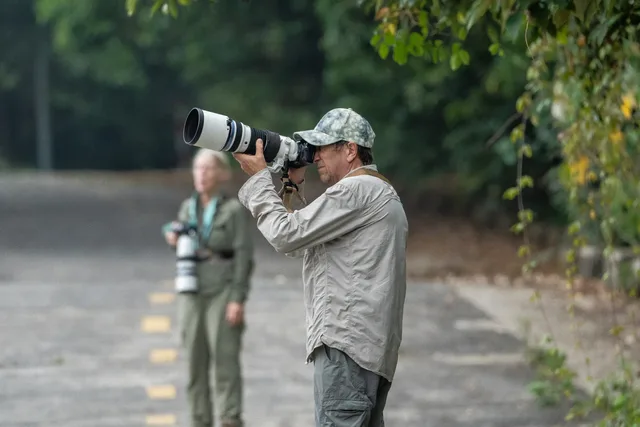
It is also vital to avoid using flash photography, which can disorient nocturnal creatures. Feeding wildlife is another critical error that can lead to dangerous habituation.
Staying on established trails is the best way to ensure you do not inadvertently damage the very habitats you are there to observe.
The subject here is Italy wildlife watching guide.
The same subject is also called Italy countryside animals.
This part also covers Italy nature observation tips.
This part also covers Italian rural animal guide.
Related
- Italy YouTuber Guide TOP 100 with 62.30M subscribers
- Why Italy vlog trends analysis matters for viewers?
How does vegetation density affect visibility?
Vegetation density directly impacts how easily you can spot animals during your observation. Thick brush and dense foliage can obscure even large mammals, making them harder to see than in open meadows.
You must compare the density of the local scrubland to the openness of the agricultural fields to manage your expectations for sightings.
When the vegetation is thick, you may only hear a quiet rustle in the leaves rather than seeing the creature itself. This condition requires more patience and the use of binoculars to detect movement within the shadows.
In contrast, open areas near vineyards offer higher visibility but may require more camouflage to avoid being spotted by the animals first.
What precautions should I take regarding seasonal changes?
Seasonal changes alter the visibility of wildlife due to the shifting density of the local vegetation. During certain times of the year, thicker growth can make spotting animals more difficult compared to seasons when the foliage is thinner.
You should prepare for these conditions by adjusting your distance and using long lenses to compensate for the lack of clear sightlines.
Does the time of day influence animal behavior?
Animal behavior changes significantly depending on whether you observe during the dawn or dusk hours. During these crepuscular periods, species are more likely to emerge from shelters to forage, which increases the likelihood of a sighting compared to the middle of the day.
You should compare the activity levels of dawn and dusk to determine which period suits your patience and equipment.
If you encounter a quiet rustle in the dense brush, it may indicate an animal moving through thick vegetation. This condition requires you to remain still to avoid startling the creature.
In contrast, observing animals in open agricultural fields allows for better visibility but demands more careful use of camouflage to ensure you do not disrupt their natural foraging patterns.





Comments 0