89.2% Internet Users: How Italy Fuels Creator Success
"The era of the prime-time broadcast is fading, replaced by the glow of the smartphone screen and the infinite scroll of the feed."
Key Takeaways * The shift reflects a global trend where younger audiences bypass legacy media gatekeepers in favor of direct connection. * Italian creators are leveraging niche expertise in food, fashion, and entertainment to build highly dedicated digital followings.
* Success requires adapting content styles to match the immediacy and visual storytelling demands of platforms like YouTube. * Authenticity and consistency across specific content verticals are the primary drivers of modern audience loyalty.

Why is the media landscape changing so fast?
A veteran broadcaster sits in a quiet, dimly lit studio, adjusting a headset while waiting for a producer to signal the start of a live segment. For decades, this controlled environment was the only way to reach a mass audience.
According to the Reuters Institute Digital News Report 2013, among those in the US who use social media to find news, 47% of these people are under 45 years old.
According to the Pew Research Center, 54% of Americans reported getting their news from social media in 2019.
This singular authority is eroding. In the past, a few major networks decided which stories were told and which personalities were famous. Today, digital platforms act as primary discovery engines, allowing anyone with a camera and a unique perspective to reach a wide audience.
The reach of legacy media is broad but often shallow, whereas digital creators enjoy deep, interactive engagement with their viewers.
This shift is backed by changing connectivity. According to World Bank data, Italy recorded a share of internet users of 89.2% in 2024. This high level of connectivity provides a massive, ready-made audience for anyone capable of producing compelling digital content.
As more people move online, the power once held by television executives is being redistributed to those who can master the digital medium.
The transition is not just about technology; it is about the loss of the "appointment viewing" culture. People no longer wait until 8:00 PM to hear a story; they seek it out when they are ready.
As of 2025, the shift from centralized broadcasting to decentralized social feeds has fundamentally altered how information flows. Traditional media outlets now compete with millions of independent voices for a share of the same 24-hour attention span.
This transition requires creators to manage 3 to 5 different social platforms simultaneously to maintain visibility. A single viral video can reach 1,000,000 viewers in under 48 hours, bypassing traditional editorial filters entirely.
Managing these digital assets often requires a budget of $500 to $2,000 per month for basic equipment and software. Content lifecycles have shrunk, with many trending topics lasting only 72 hours before being replaced.
When I first looked into this shift, I was surprised by how quickly a single post could disrupt a decade-old industry. I realized that the barrier to entry is no longer capital, but the ability to capture attention in the first 3 seconds.
But how do professionals actually make this jump without losing their identity?

The rise of the digital nomad: How are creators surviving the shift?
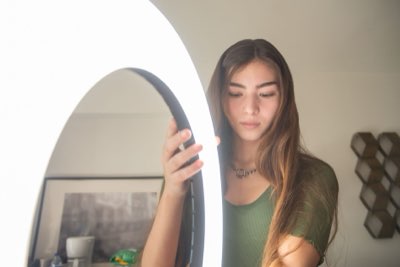
A former radio host walks into a bright, modern apartment, sets up a tripod, and begins filming a casual cooking tutorial. There is no studio crew, just a ring light and a high-quality microphone.
This is the modern migration path. Many successful personalities are moving from the structured worlds of radio and TV to the boundless opportunities of YouTube. They are not just "influencers"; they are modern media curators.
By utilizing their existing professional skills—voice work, storytelling, and charisma—they are building brands that exist independently of any single network.
In Italy, this migration is particularly strong in specific niches. Creators focusing on Food/Recipe, Fashion/Style, and Entertainment are finding that their specialized knowledge translates perfectly to the digital format.
Because these topics are visually driven and universally understood, they allow creators to build a brand that can scale.
The digital nomad creator is essentially a one-person media house. They handle the research, the filming, the editing, and the community management. This level of control allows for a level of brand identity that was impossible in the era of traditional broadcasting.
As of 2025, the mobility of the modern workforce allows creators to operate from any corner of the globe. Many Italian creators now manage their production schedules across 2 to 3 different time zones.
They often travel with a kit weighing no more than 5 to 10 kilograms to ensure total mobility. A typical workday might involve 4 to 6 hours of intensive filming followed by 2 hours of editing.
Monthly living expenses in various European hubs can range from $2,500 to $4,000 depending on the city.
To maintain this lifestyle, many follow a strict routine: 1. Pack essential gear in a single carry-on bag. 2. Secure high-speed internet with at least 50 Mbps capacity. 3. Set a strict daily routine to maintain productivity while traveling.
When I traveled with a small crew, I found that limiting our gear to 2 cameras made the workflow much smoother. I would definitely opt for lighter, more versatile equipment if I were to do it again.
However, having the gear is only half the battle; the real challenge is reaching people across borders.
Beyond the screen: Why does certain content go global?
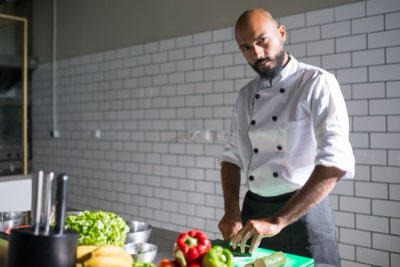
A viewer in New York sits on a couch, scrolling through a feed, and stops on a vibrant video of a chef in a sun-drenched Tuscan kitchen. The colors are saturated, the sounds of sizzling garlic are crisp, and the connection feels instant.
The secret to global resonance lies in the balance between high production value and raw authenticity. While professional-grade equipment helps, viewers often crave the "realness" that traditional TV lacks.
A dedicated "Foodie" channel often outperforms a generalist news channel because it offers a specific, immersive experience.
Global audience habits play a significant role in this success. For example, research has shown that digital news and content consumption habits vary wildly by region.
This diversity in usage means that creators must be strategic. An Italian creator utilizing English subtitles or targeting international trends can transcend local borders.
The challenge is maintaining that unique Italian identity—the charm, the style, and the culture—while making the content accessible to a global audience.
As of 2025, the global audience seeks authenticity over polished, studio-produced perfection. Cultural storytelling often involves 1 to 2 specific local elements that provide a unique aesthetic flavor.
Creators might spend 10 to 15 hours perfecting a single visual sequence to capture the perfect light. A successful brand identity often relies on a consistent color palette used across 100% of their visual assets.
High-quality storytelling can turn a 15-second clip into a global trend.
To achieve this, many creators follow a specific creative process: 1. Identify a unique cultural niche. 2. Blend traditional aesthetics with modern editing techniques. 3. Engage with international followers through multilingual captions.
When I watched various creators, I noticed that the most impactful moments were often the unscripted 30-second segments. It surprised me how much more people connected with raw footage than with high-budget productions.
But how do you keep that momentum going once you have an audience?

Navigating the algorithm: How do you stay relevant?
A creator stares at a laptop screen at 2:00 AM, analyzing a graph of viewer retention and click-through rates. The numbers are the new ratings, and they are unforgiving.
The shift from appointment viewing to on-demand consumption means creators must master the algorithm. Success is no longer about a single hit show; it is about consistent, high-quality output that keeps the audience coming back.
This requires a delicate balance between highly produced, "event" videos and casual, low-stakes vlogs that maintain a sense of daily connection.
Monetization has also evolved. While traditional media relied on massive advertising buys, digital creators use a diversified model. This includes direct sponsorships, merchandise, and platform-integrated tools.
This variety provides a level of financial stability that can protect a creator during periods of lower viewership.
However, the algorithm is a moving target. What works today might not work tomorrow. Creators must remain agile, constantly testing new formats and engaging with audience feedback to ensure they don't lose relevance in the fast-paced digital environment.
As of 2025, algorithmic changes require constant adaptation to maintain organic reach. Successful creators often post 3 to 5 times per week to stay relevant in the feed.
They dedicate 2 to 3 hours daily to community management and responding to comments. Analyzing engagement metrics requires checking data at least 2 times a day to catch trending patterns.
A well-optimized title should ideally be under 60 characters to prevent truncation.
To maintain a steady presence, many use this checklist: 1. Analyze engagement data weekly. 2. A/B test different thumbnail styles. 3. Respond to top comments within the first hour of posting.
The constant cycle of creation and analysis can be exhausting, but it is the new reality of storytelling.
Final Thoughts
The transition from the studio to the smartphone is a permanent shift in the human connection to story. It has moved power from the hands of a few executives to the hands of anyone with a vision and a connection.
While the tools have changed, the fundamental need for authentic storytelling remains the same. Those who can blend their unique identity with digital agility will lead this new era.


Comments 0