Radio host digital success: Guide to new media
"The transition from the airwaves to the screen requires more than just a microphone; it demands a complete reimagining of how an audience connects with a voice."
The rise of successful radio personalities in the digital age is often driven by their ability to repurpose audio content into engaging visual formats. This shift allows traditional broadcasters to capture massive global audiences through platforms like YouTube and streaming services.

Key takeaways: * High internet penetration provides a massive foundation for digital media consumption. * Radio segments can serve as the creative seed for books and visual specials. * Success requires adapting personality-driven content to new delivery methods.
How does internet access drive radio host digital success?
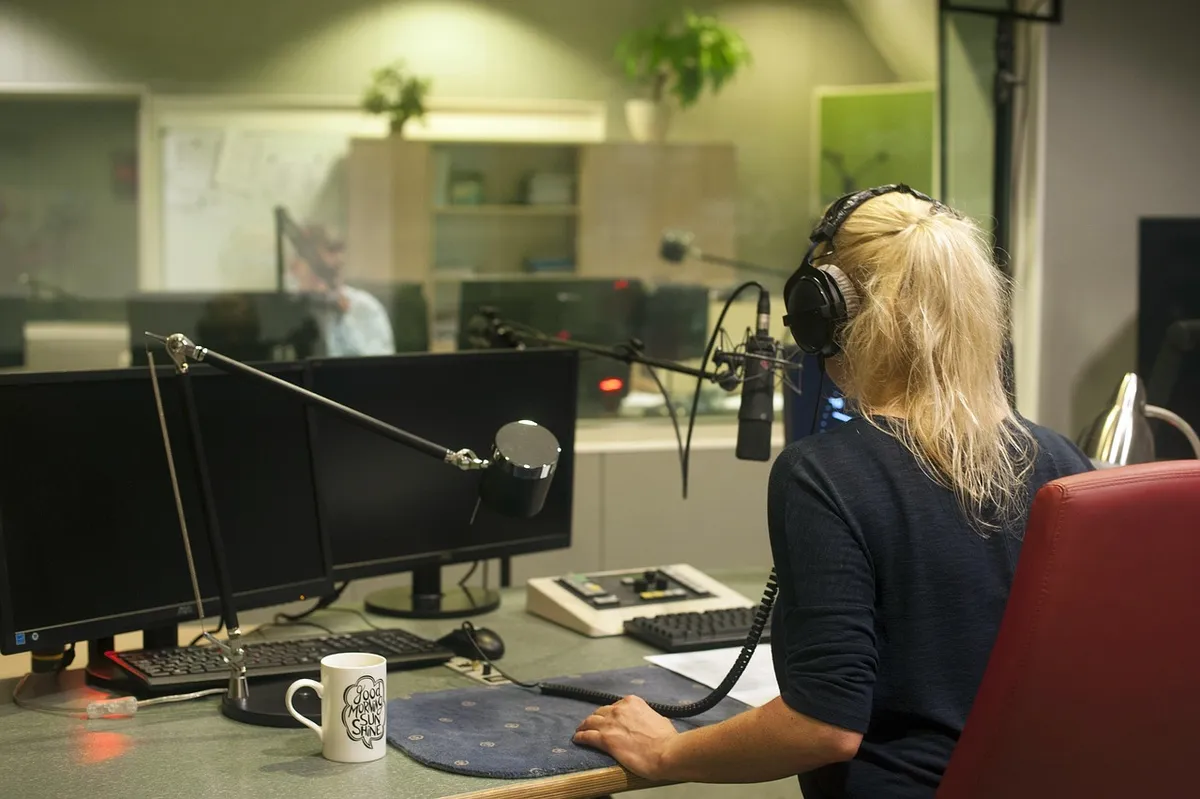
In the quiet studio, she taps her fingers against the desk while watching the live stream of her radio broadcast on a glowing screen.
A host sits in a dark studio, adjusting a headset while watching a live stream of their own broadcast. With an audience increasingly moving from traditional radios to mobile devices, the digital landscape offers a vast playground for engagement.
According to World Bank data, Italy recorded a share of internet users of 89.2% in 2024. This high level of connectivity creates a fertile environment for hosts to transition their audio presence into digital spaces.
A strong rep of radio host digital success often begins with this widespread access to online platforms.

The ability to reach listeners anywhere at any time is essential for modern broadcasting. As users move between devices, the distinction between a radio show and an online video becomes increasingly blurred.
- Expand the listener base beyond local broadcast range.
- Engage with fans through real-time social media interaction.
- Monetize content through diverse digital platforms.
Can my radio segments become bestsellers?
Late at night, the writer rubs her tired eyes as she transforms old radio transcripts into a heavy hardcover book.
A writer sits at a desk, turning old interview transcripts into a coherent narrative structure. The journey from a brief audio slot to a published volume illustrates the versatility of voice-driven content.
James Acaster's first book, James Acaster's Classic Scrapes (2017), originated from a recurring slot Acaster had on Josh Widdicombe's XFM radio programme, where he became known as the "Scrapemaster".
This transition shows how a specific radio persona can be distilled into a permanent, written format. The content moves from the ephemeral nature of live radio to the lasting medium of print.
Managing such a transition requires careful curation of the original material. The personality that resonated over the airwaves must find a way to translate into the written word.
In this sequence, the first step is the most critical.
According to World Bank, the 2024 record includes 89.2%.
Will my audio content work on streaming platforms?
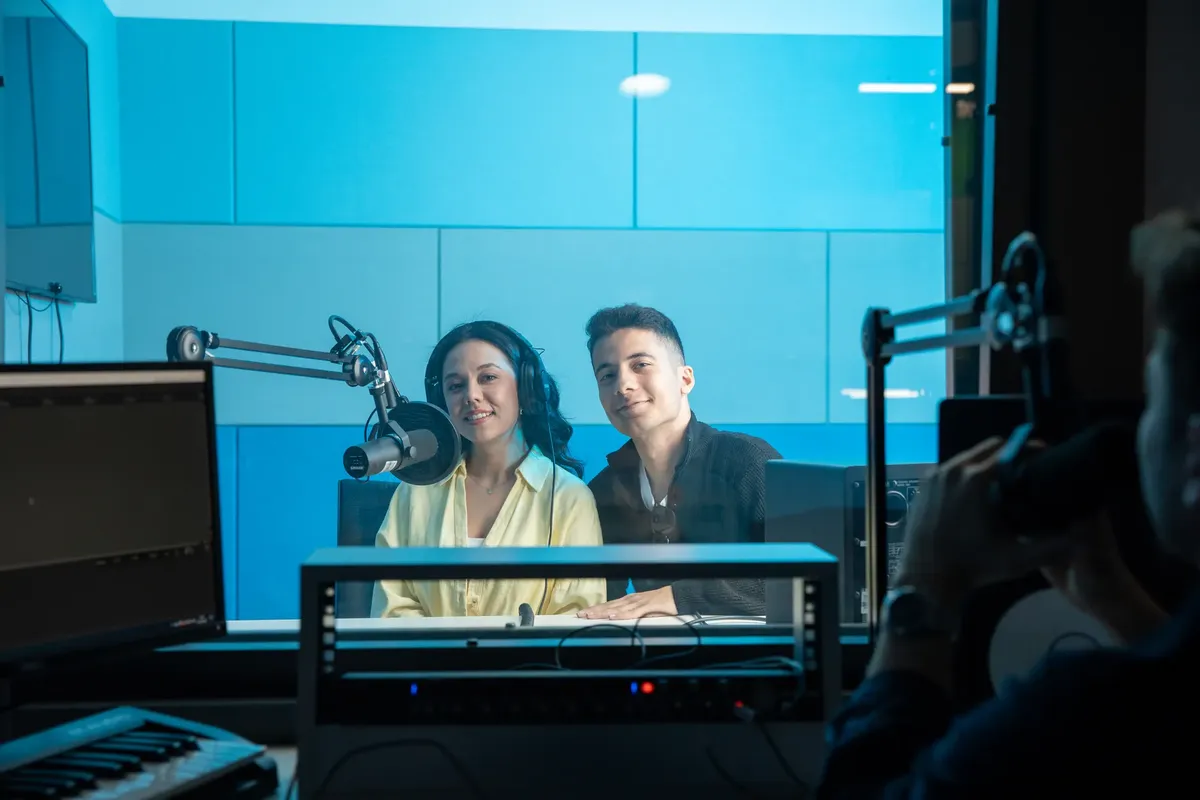
A producer watches a playback loop of a comedy special, checking the timing of a visual gag. For many hosts, the move to video is the natural evolution of their existing brand.
An example of this scaling is seen in how certain comedy-driven segments reach massive audiences through streaming platforms. In 2021, it was streamed 840,000 times in the UK, which was the third-most on Netflix for a British comedy special.
This demonstrates how a personality's presence can expand far beyond the original broadcast medium.
An audio visual shift allows a host to maintain their core identity while meeting the visual demands of modern viewers. This strategy bridges the gap between old-school broadcasting and new-media consumption.
How do hosts manage their new workload?
A host balances a schedule of live recordings with hours of video editing and social media management. The expansion into digital media often means much more than just turning on a microphone.
The workload can be intense, often involving tasks that extend well beyond the studio hours. For instance, some creators would complete tasks while working 12 hours per week in a kitchen. This level of dedication shows how professionals manage their creative output alongside other responsibilities.
A radio personality online must act as a producer, editor, and social media manager simultaneously. Balancing these roles is a core part of the digital media growth path.
What is the role of official data in understanding media trends?
A researcher pulls up a database to analyze demographic shifts and audience engagement metrics. Understanding the landscape requires looking at the numbers provided by official bodies.
The Italian National Institute of Statistics (Italian: Istituto nazionale di statistica; Istat) is the primary source of official statistics in Italy. Such data helps media professionals understand the scale of the markets they are entering.
Reliable information is the bedrock of any strategic planning in the media industry.
Analyzing these statistics allows for better targeting of content to specific demographics. It provides the context needed to understand how much an audience is growing or shifting.
The same subject is also called Podcaster video strategy.
The same subject is also called Broadcasting new media.
This part also covers How radio hosts adapt.
This part also covers Online presence building.
How radio hosts adapt
Related
- Italian music hub success: Why migration shapes music
- Why Italian music YouTubers: cooperative sector helps rise
What cautions accompany the transition from airwaves to screen?
The transition from the airwaves to the screen demands a constant awareness of how the audience perceives the voice across different mediums.
While the digital shift offers vast reach, the initial success found on the airwaves must be consciously translated for the visual medium to sustain its momentum. The original strength of the radio performance must inform the visual execution.
- The digital environment requires more than just the presence of the voice; it necessitates a visual counterpart to sustain viewer interest. 2. The initial success achieved through the airwaves provides the foundation, but the screen format demands visual adaptation to maintain engagement. 3. The core identity rooted in the radio broadcast must survive the translation into a visual narrative.
How does the digital medium compare to traditional broadcasting?
The digital medium offers unparalleled reach compared to the constraints of traditional broadcasting models. Traditional broadcasting inherently relied on local availability, whereas the internet transcends geographical barriers.
- Traditional broadcasting was bound by the physical limitations of the airwaves, limiting immediate audience size. 2. Digital platforms, conversely, allow the voice to find a global audience instantly, regardless of physical location. 3. The modern digital landscape overlays and expands upon the reach achievable through older transmission methods.
FAQ
How many times was the comedy special streamed?
Related posts

Italy education brand strategy uses modern creators Guide

YouTube Insights Guide: How to manage content visibility
Italian radio gaining attention: Guide to modern trends





Comments 0