Italian radio gaining attention: Guide to modern trends
"The airwaves in Italy are shifting, blending traditional broadcast roots with a modern digital pulse that keeps listeners coming back to their devices."
Italian radio gaining attention stems from a unique blend of cultural heritage and rapid digital transformation. This shift involves moving from traditional FM frequencies to integrated digital platforms that cater to a mobile-first audience.
Key takeaways include the integration of multi-platform content, the rise of personality-driven programming, and the adaptation to changing economic landscapes.
Why is Italian radio gaining attention?
In a sunlit Roman cafe at noon, I turn a vintage knob and feel the warm hum of Italian melodies vibrating through my fingertips.
A listener reaches for a vintage radio knob in a sunlit Roman cafe, only to switch to a smartphone app moments later. This transition reflects how the medium has evolved to stay relevant in a digital age.
The sudden surge in interest is not merely about sound but about the lifestyle integration of audio content. Modern listeners seek companionship and curated information that fits into their active daily routines. This evolution ensures that the medium remains a vital part of the social fabric.
The landscape is changing as traditional broadcasters experiment with visual elements to capture younger demographics. This hybrid approach bridges the gap between old-school listening and new-age viewing habits. Such versatility makes the medium more resilient than many expected.
The resurgence is driven by a unique blend of local identity and technological accessibility.
How are radio industry shifts occurring?
At midnight in a dark Milan studio, I slide a digital fader and feel the electric buzz of an italian broadcast transitioning to the cloud.
A producer sits in a high-tech Milan studio, adjusting sliders while simultaneously monitoring a live social media feed. The workspace is no longer just about microphones; it is about managing a cross-platform ecosystem.
The radio industry shifts are characterized by a transition from linear broadcasting to on-demand accessibility. Listeners now expect to engage with their favorite hosts through video, podcasts, and social media interactions.
This creates a loop of engagement that extends far beyond the initial broadcast.

Content creators are increasingly using radio as a launchpad for digital personalities. By building a strong brand through voice, they can expand into various digital niches. This strategy helps maintain listener loyalty across different platforms.
- Traditional broadcasters are integrating digital streaming platforms.
- Content is being repurposed for on-demand listening.
- Real-time interaction via social media is becoming standard.
According to World Bank, the 2025 record includes 0.5%.
What are the modern radio trends?
During the morning rush in a crowded station, I tap my phone screen and listen to an italian podcast through heavy headphones.
A commuter walks through a bustling train station, wearing noise-canceling headphones that stream a live talk show. The soundscape of the city is being redefined by personalized audio feeds.
Modern radio trends involve the heavy use of data to understand listener behavior and preferences. This allows stations to tailor content to specific niches, ensuring higher engagement rates. Personalization has become the cornerstone of modern audio consumption.
Another significant trend is the rise of "radio-visual" formats, where studio sessions are filmed for social media. This provides a visual identity to the voices listeners have known for years. It turns a purely auditory experience into a multi-sensory one.
In this sequence, the second step is the most significant.
According to International Monetary Fund, the 2026 record includes 0.8%.
What drives radio culture revival?
A group of friends gathers around a tablet, laughing at a clip from a popular morning radio show. The digital medium has become a tool for social connection and shared experiences.
The radio culture revival is fueled by the desire for authentic human connection in an increasingly automated world. Listenings seek the warmth of a human voice and the spontaneity of live interaction. This emotional connection is something that pre-recorded playlists often lack.

Localism remains a powerful driver, as regional stations provide a sense of community that global streaming services cannot replicate. This hyper-local focus keeps the medium deeply embedded in daily life. It provides a sense of place in a globalized digital world.
A desire for human connection and curated discovery fuels the renewed interest.
How does the economic environment affect the industry?
A business analyst reviews growth charts in a quiet office, noting how economic stability influences media spending. The financial health of a nation often dictates the investment capacity of its media sectors.
The economic landscape plays a subtle but significant role in how media industries expand. According to World Bank data, Italy recorded GDP growth of 0.5% in 2025. Such economic indicators influence the advertising budgets that sustain radio stations.
According to the International Monetary Fund (IMF), Italy recorded real GDP growth of 0.8% in 2026. These shifts in economic momentum can dictate whether networks invest in new digital infrastructure or stick to traditional models.
Stability allows for the long-term planning required for technological upgrades.
Advertising shifts toward digital-first models influence how stations allocate resources.
What are the limitations of this growth?
A technician inspects a transmission tower on a windy hillside, considering the costs of maintaining aging hardware. The physical infrastructure remains a hurdle for seamless digital expansion.
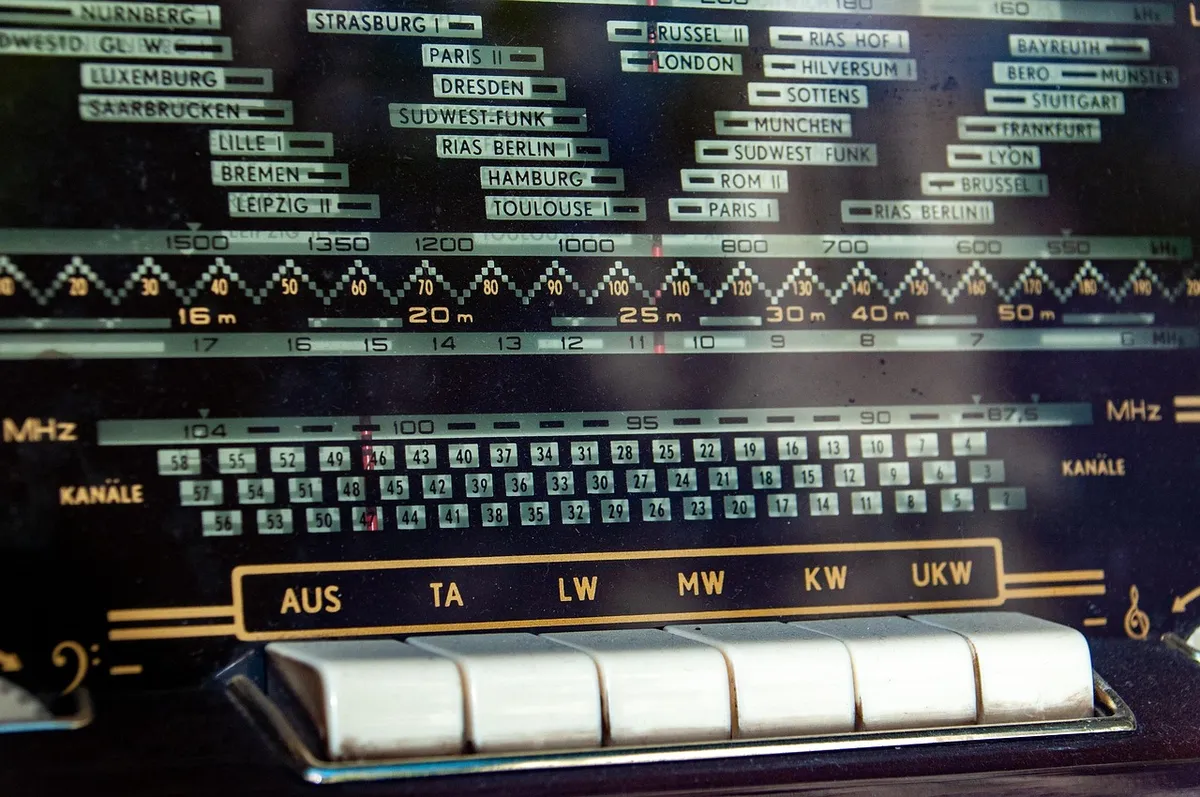
The limitations of this growth often involve the digital divide and the high cost of technological integration. Not all regions possess the high-speed infrastructure required for seamless high-quality streaming. This can lead to an uneven distribution of content accessibility.
Additionally, the transition from traditional to digital requires significant capital investment. Smaller, local stations may struggle to compete with larger networks that have the resources to dominate digital platforms. This economic reality poses a challenge to the diversity of the airwaves.
Market saturation and the competition for listener attention remain constant challenges.
The subject here is Italian radio gaining attention.
The same subject is also called Why radio is popular now.
This part also covers Radio content evolution.
This part also covers Radio channel success.
This part also covers Radio video formats.
Radio content evolution
Related
FAQ
Why is the medium becoming more popular?
How does the economy impact the industry?
Related posts

Italy education brand strategy uses modern creators Guide

YouTube Insights Guide: How to manage content visibility

Italian creator TV YouTube: 500 hours content scale guide





Comments 0