Italian music hub success: Why migration shapes music
"Cultural heritage is not merely a collection of artifacts but a living, breathing entity that shapes the identity of entire populations through tradition and song."
The rise of an Italian music hub is driven by deep-rooted cultural heritage and complex voting structures that blend public passion with professional expertise. This movement draws from a massive global diaspora and specific festival traditions to create a unique brand of artistic influence.
Key takeaways include the influence of historical migration, the mechanics of competitive music festivals, and the preservation of intangible heritage.
Why does the Italian music hub rise?
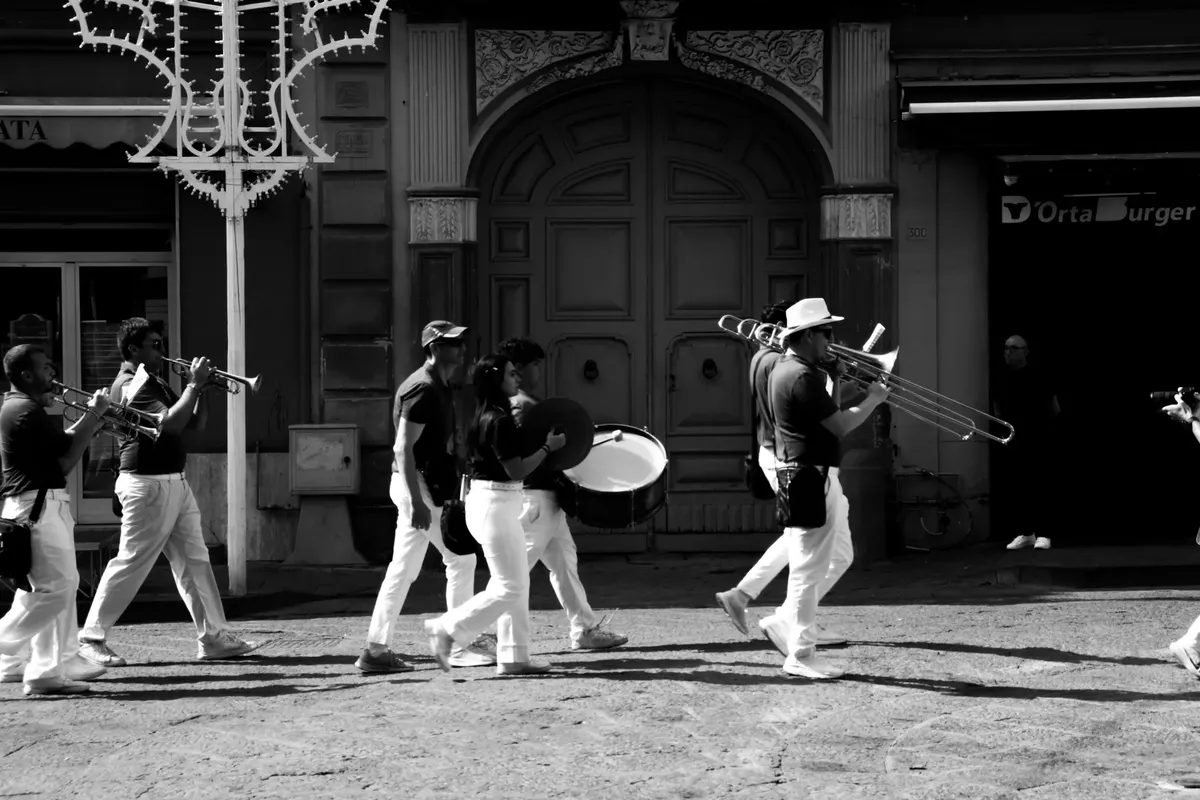
A performer stands on a stage in Viterbo, surrounded by the vibrant energy of the Macchina di Santa Rosa. The Italian music hub rise factors often stem from these deep connections to local traditions and community identity.
According to UNESCO, intangible cultural heritage includes festivals such as the Varia di Palmi, the Macchina di Santa Rosa in Viterbo, and faradda di li candareri in Sassari. These traditions provide a foundational rhythm for modern creative expressions.
This cultural depth ensures that the music remains tied to a sense of place and collective history.
The expansion of these traditions across borders contributes to a global music creator strategy. As people move, they carry their melodic heritage, creating a vast network of influence. This movement turns local customs into international sounds.
How do voting mechanics shape the music creator brand growth? Italian music hub success
At midnight in the dimly lit studio, the judge leans forward to tap a screen, feeling the tension of the Italian competition's results.
A judge sits at a desk, carefully reviewing scores while a television screen flickers with viewer requests. The music creator brand growth is often dictated by how winners are chosen in high-stakes competitions.
In certain competitive formats, the winner is determined via the combination of public televote (40%), expert jury (30%), and poll (30%). This structure balances popular appeal with technical excellence.
Such a mix ensures that the most successful artists can navigate both commercial success and critical acclaim.

This specific balance is a core part of the music branding success seen in major festivals. By integrating different voting weights, organizers can select artists who represent a wide spectrum of musical quality.
This dual focus helps sustain a professional standard while maintaining mass engagement.
What role does the diaspora play in creator brand growth?
An old photograph of a bustling port in Buenos Aires shows families settling into a new life. The legacy of migration plays a significant role in the artist business model of the modern era.
In Argentina, it was estimated that at least 25-30 million Argentines, representing 62.5% of the country's population, have some degree of Italian ancestry. This massive demographic connection creates a natural audience and a shared cultural language.
Such a large-scale heritage provides a built-in foundation for musical influence.
The scale of this demographic presence facilitates creator brand growth. With millions of people sharing common roots, the potential for cross-continental musical influence is immense. This connection allows artists to tap into a global network of listeners.
How did historical migration impact the artist business model?
A laborer wipes sweat from their brow while working in a field, far from the streets of their birthplace. Understanding the origins of these communities helps explain the modern artist business model.
Historical data shows that Italian immigrants were primarily male, aged between 14 and 50, and more than 50% literate. In terms of occupations, 78.7% in the active population were agricultural workers or unskilled laborers, 10.7% artisans, and only 3.7% worked in commerce or as professionals.

These diverse backgrounds shaped the social fabric where music was often a primary form of expression.
These historical roles influenced how culture was passed down through generations. The transition from manual labor to professional creative sectors reflects the evolution of the community's economic standing. This shift is central to understanding how cultural influence travels through time.
How do regional origins influence the music creator strategy?
A traveler walks through the winding streets of Calabria, feeling the weight of history in the air. Regional identity remains a powerful force in shaping a music creator strategy.
In the 1950s, more than 65% of Italian immigrants came from the south, with 30% from Calabria, 15% from Campania, and 12% from Sicily. The remaining 35% included 21% from central-southern regions, such as Abruzzo and Molise (14%), and 13% from the north, mainly from Veneto and Friuli-Venezia Giulia.
These distinct regional sounds contribute to a multifaceted musical landscape.
This diversity allows for a variety of stylistic approaches within the broader culture. Artists can draw from specific regional nuances to create unique identities. This variety prevents the musical landscape from becoming monolithic.
What are the practical steps to understanding these influences?
A researcher sits in a quiet library, organizing notes on demographic shifts and cultural history. To grasp the complexity of these movements, one can follow these steps:
- Identify the specific demographic weight of the heritage group in the target region. 2. Analyze the voting or selection mechanics used in major cultural festivals. 3. Examine the historical occupational and regional origins of the population. 4. Perform a final check to see how these factors intersect in modern media.

I found that comparing these historical occupation rates to modern professional roles helps clarify the social evolution of these communities. This comparison shows how a group moves from labor-intensive roles to creative industries.
A limitation of this analysis is that it relies on historical data which may not reflect the current professional makeup of the diaspora.
- Why does the Italian music hub rise?
- How do voting mechanics shape the music creator brand growth?
- What role does the diaspora play in creator brand growth?
The subject here is Italian music hub success.
This part also covers Creator business scaling.
This part also covers Artist career development.
Music branding success
Related








Comments 0