Italian food video modern: Guide to digital transition
"The transition from a physical kitchen to a digital screen requires more than just a camera; it requires a bridge between ancestral flavor and modern connectivity."
Modern digital media allows traditional recipes to reach global audiences by utilizing high internet penetration. This guide explores how to transform heritage cooking into engaging video content through technical precision and storytelling.
Key takeaways include leveraging high connectivity, understanding economic shifts in production, and balancing authenticity with digital formats.
How does internet connectivity impact Italian food video modern production?

At dusk in the quiet studio, the filmmaker taps a glowing screen to upload an Italian pasta video while feeling the warmth of the laptop against their palms.
A filmmaker adjusts the tripod on a sunlit wooden table, preparing to capture the texture of handmade pasta. High connectivity provides the necessary infrastructure for distributing these visual stories to a massive audience.
According to World Bank data, Italy recorded a share of internet users of 89.2% in 2024. This level of connectivity ensures that digital content creators can reach a vast domestic and international audience instantly.
This widespread access makes the transition from tradition to screen technically feasible for local artisans.
The ability to stream high-definition footage depends heavily on this digital landscape. A creator must ensure the visual quality matches the richness of the ingredients being filmed.
High-speed connectivity allows creators to upload high-definition footage instantly, bridging the gap between local kitchens and a global audience.
Why is the industrial background relevant to recipe digital media?
Standing amidst the humming machinery of the factory, the producer runs a hand over a cold metal surface while contemplating the future of Italian culinary films.
A producer looks over an old ledger, comparing historical growth with modern industrial capacity. Understanding the economic foundation of a region helps in planning the scale of content production.
The economic strength of certain regions provides a backdrop for cultural content. According to a study carried out in 2015 by the Edison Foundation and Confindustria on the most industrialized provinces in Europe, of the five most industrialized provinces in Europe, three are Italian provinces.
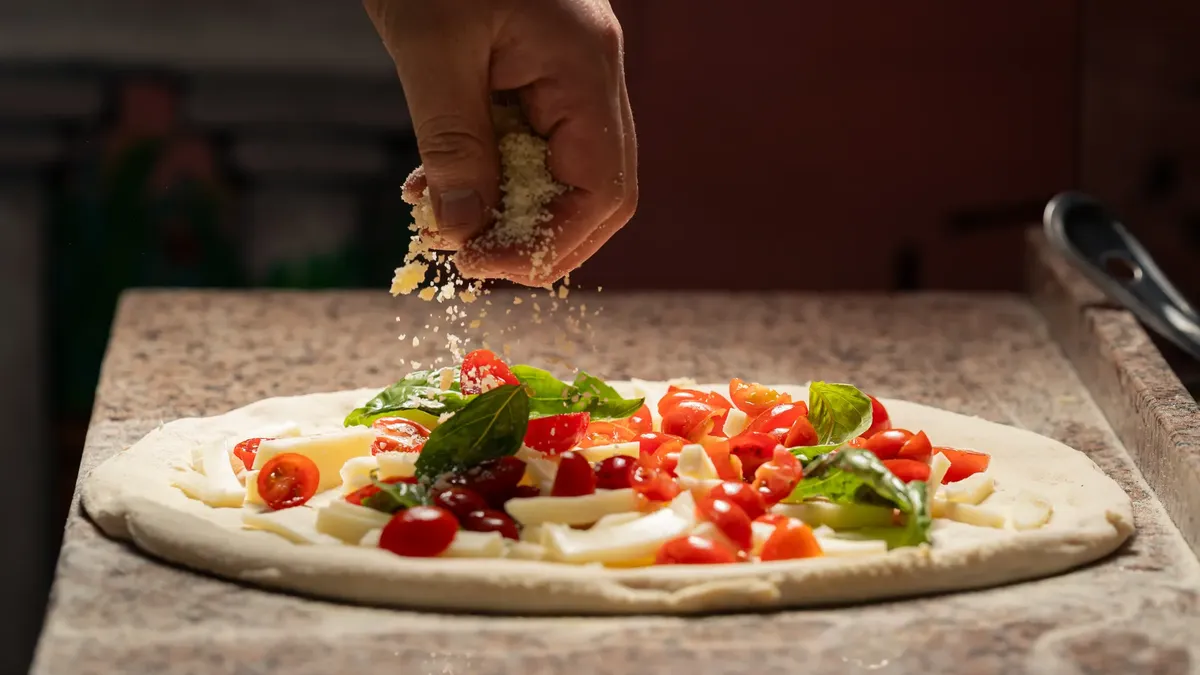
This industrial density suggests a robust infrastructure for both technological development and content creation.
Such a landscape allows for an old ways new view approach where high-tech tools meet traditional methods. The intersection of these two worlds defines the success of modern food media.
Understanding industrial processes provides a technical foundation for scaling recipe production without losing visual quality.
According to World Bank, the 2024 record includes 89.2%.
How can an artisan cooking video guide leverage the cooperative sector?
A group of workers gathers in a communal kitchen to prepare a large batch of traditional sauce. The social structure of a region often dictates the collaborative nature of food-related media.
Italy has a strong cooperative sector, with the largest share of the population (4.5%) employed by a cooperative in the EU. This cooperative spirit can be reflected in content that emphasizes community-driven production and shared heritage.
A recipe digital media strategy often succeeds when it highlights these collective efforts.
The focus remains on the people behind the food. This collaborative energy provides a natural narrative for storytelling.
- Identify local cooperative resources for authentic ingredients.
- Coordinate with community members to film traditional techniques.
- Distribute content through shared cooperative networks.
What are the challenges of managing an authentic taste modern shot?
A cinematographer struggles to capture the exact color of a slow-simmered ragù under studio lights. Discrepancies between official economic data and reality can affect how production resources are allocated.

Economic variables can complicate the planning of large-scale media projects. However, economists dispute the official figures because of the large number of informal jobs (estimated to be between 10% and 20% of the labour force) that lift the inactivity or unemployment rates.
This reality means that the labor available for digital content creation may not always align with official statistics.
Navigating these informal sectors requires flexibility in production planning. Maintaining authenticity while managing these variables is a constant challenge.
In this sequence, the second step is the most time-consuming.
How do you manage the digital preservation of dish through economic stability?
A historian reviews old growth charts while a young editor prepares a digital archive. Historical economic trends provide context for the evolution of lifestyle and consumption habits.
Historical growth patterns show how much the economy has matured over decades. It has been calculated that the Italian economy experienced an average rate of growth of GDP of 5.8% per year between 1951 and 1963, and 5% per year between 1964 and 1973.
These periods of growth shaped the modern consumer base that now consumes digital food content.
Understanding this history helps creators understand the roots of the traditions they film. It provides a sense of scale for the cultural impact of their work.
Sustainable revenue from digital content ensures that the high costs of professional filming and archiving are met consistently.
How to execute a digital content strategy for traditional recipes
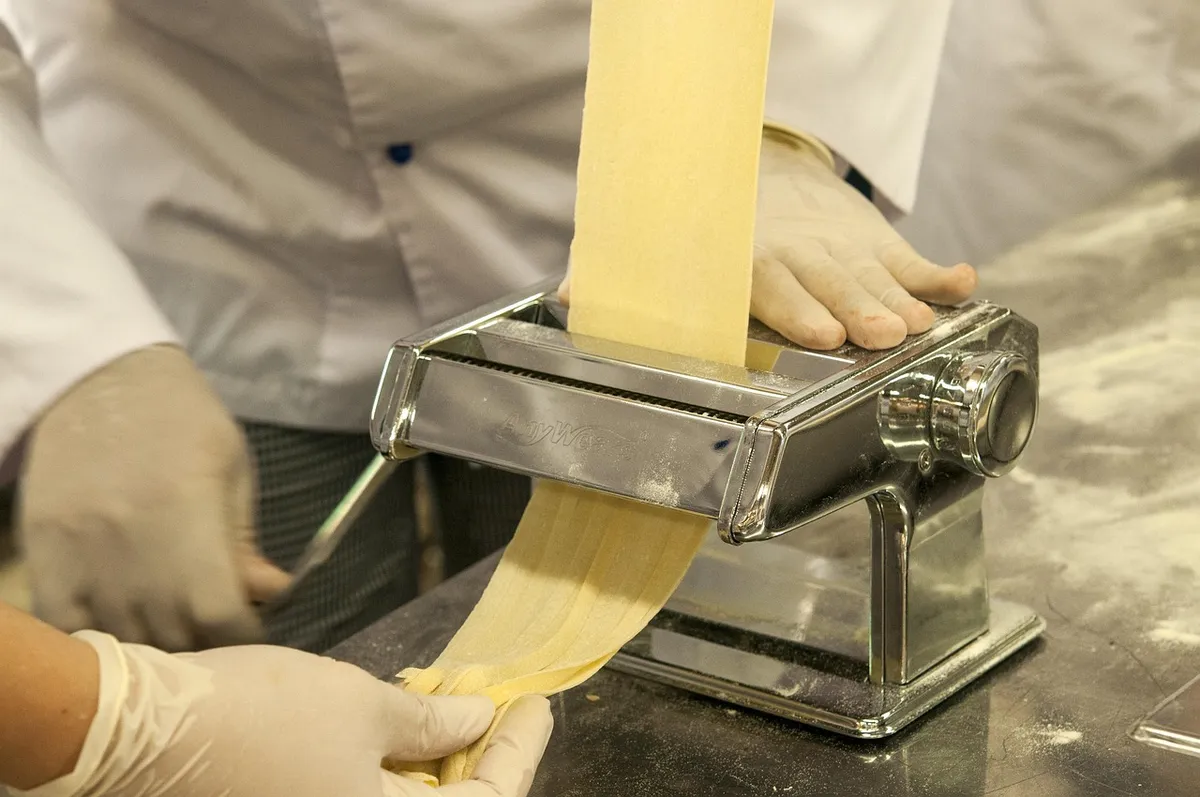
A creator sits at a desk, organizing a series of shots involving flour, water, and salt. To successfully move a recipe from the kitchen to the screen, follow these steps:
- Capture the sensory details of the raw ingredients to establish an authentic taste modern shot. 2. Utilize the high internet connectivity to test various video formats and distribution speeds. 3. Integrate the history of the recipe into the visual narrative to create a deep connection with the viewer.
Check that the lighting enhances the natural colors of the food without looking artificial. This ensures the transition from tradition to screen remains believable for the viewer.
A successful strategy balances high-quality visual storytelling with the preservation of historical culinary accuracy.
Related
What are the practical considerations for the physical to digital transition?
The physical kitchen setting requires careful consideration when translating its richness to a digital medium. The initial capture of the physical process must be meticulously planned to sustain viewer interest through the digital playback.
This bridges the gap between the tangible origins and the intangible screen presentation.
The successful transition from physical to digital relies on more than just recording the steps. It involves curating the visual information so that the viewer experiences the depth of the original preparation.
This ensures the digital representation honors the physical labor involved in the traditional method.
How does the digital medium affect the physical process?
The digital medium influences how the physical cooking process is viewed and valued. When the physical act is translated digitally, its inherent value shifts from purely functional to performative. The screen becomes the final stage in the production sequence.
The technical requirements of the digital format impose constraints on the physical performance. For example, the need for high-definition capture dictates the level of detail visible during the physical preparation. This technical constraint shapes the execution of the traditional cooking method.







Comments 0