Italian edu channel success: Guide to knowledge sharing
An Italian learning video might offer deep cultural insights, but understanding the broader context of educational outcomes requires looking at systemic data. This analysis explores why certain educational trends emerge within the Italian landscape.
The success of an Italian edu channel often stems from addressing specific knowledge gaps within a complex economic and social framework. This overview covers the relationship between industrial strength, educational standards, and the practicalities of knowledge sharing online.

Key takeaways: * Industrialized provinces in Europe show significant Italian presence. * Secondary education levels have historically faced challenges compared to international averages.
* Economic structures, including cooperatives and trading partnerships, shape the audience for educational content.
Why does the Italian edu channel success matter in a global market?
At dusk in a quiet Milanese study, a student leans forward to watch an Italian lesson on a glowing screen.
A student sits at a desk in Milan, watching a screen that explains complex economic theories. This interest in learning is often driven by the competitive nature of the European market.
The Italian edu channel success is significant because it bridges the gap between traditional schooling and specialized professional needs.
With three of the five most industrialized provinces in Europe being Italian, according to a 2015 study by the Edison Foundation and Confindustria, there is a high demand for specialized knowledge. This industrial density creates a motivated audience seeking to maintain a competitive edge.
The demographic of learners is shaped by these economic realities. Educational content creators often pivot to meet the needs of a workforce that is deeply integrated into European commerce.
How does the Italian learning video trend relate to economic strength?
An entrepreneur in Turin watches a tutorial on international trade regulations. The content is practical, direct, and tailored to a professional lifestyle.

A successful Italian learning video often focuses on practical applications that assist in navigating the nation's complex economy. For instance, understanding trade is vital since the largest trading partners include Germany at 12.5% and France at 10.3%.
Following these, the United States represents 9% of trade, alongside Spain at 5.2%, the United Kingdom at 5.2%, and Switzerland at 4.6%.
Creators who can translate these economic realities into digestible lessons find a loyal following. They provide the tools necessary for individuals to participate in these vast international networks.
What is the role of knowledge sharing online in modern education?
A young professional in Venice uses a tablet to study advanced mathematics during a break. The digital medium allows for flexible learning that traditional classrooms might not provide.
Knowledge sharing online serves as a vital supplement to formal schooling. In 2018, the Italian secondary education was evaluated as below the OECD average. This gap creates a natural opportunity for digital educators to provide the missing pieces of the educational puzzle.
By addressing these specific deficiencies, creators can offer targeted support. This helps learners catch up to or exceed international standards through specialized digital curriculum.
How do edu creator strategy and content value delivery work together?
A teacher records a lecture in a quiet studio, focusing on clarity and engagement. The strategy involves balancing academic rigor with the visual appeal required for digital platforms.
An effective edu creator strategy involves identifying the specific needs of the viewer, such as the desire for specialized technical training. Content value delivery is achieved when complex subjects are broken down into actionable insights.
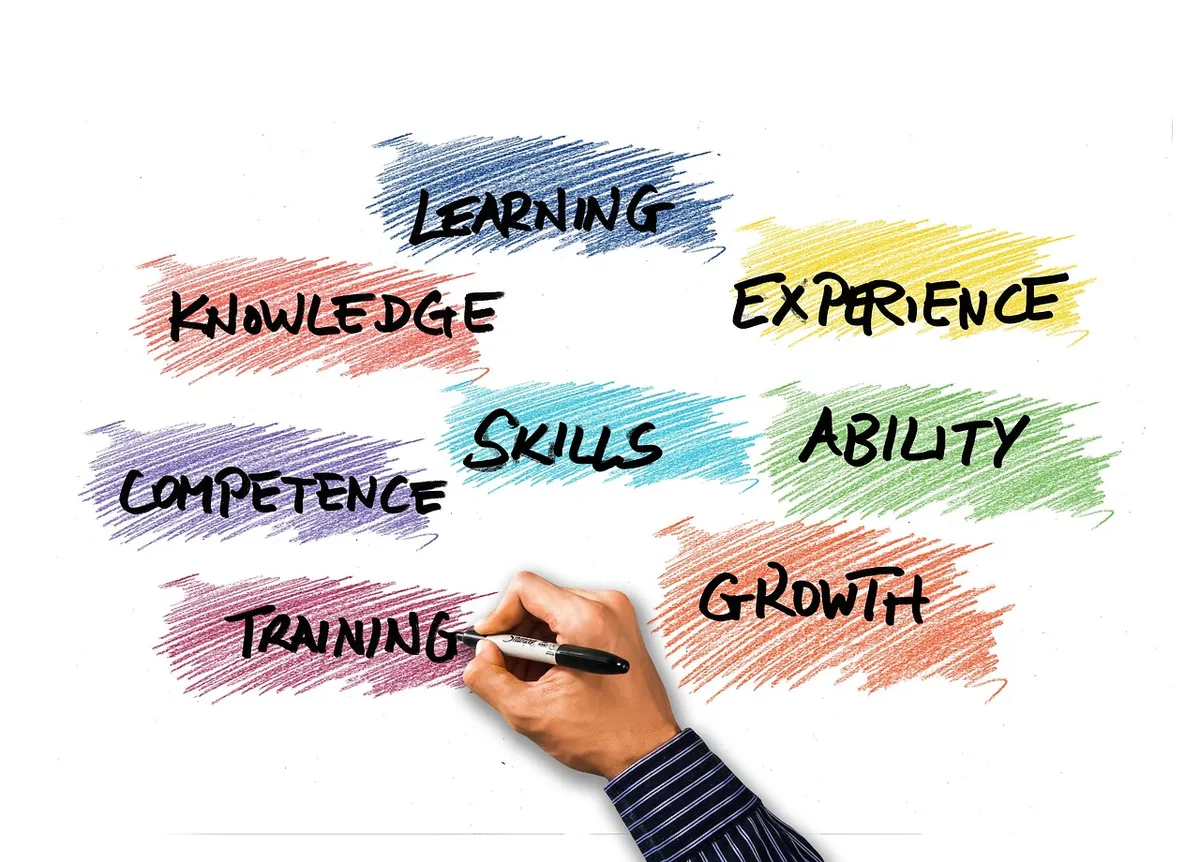
This is particularly useful for those working in sectors like the cooperative industry, which employs 4.5% of the population in the EU.
The goal is to provide value that justifies the time spent watching. When creators align their topics with these economic sectors, they ensure their content remains relevant to the workforce.
Why is the relationship between economic reality and educational content important?
A researcher examines data on labor statistics while listening to an educational podcast. The connection between work and learning is inseparable in this digital age.
Understanding the economic landscape is a prerequisite for successful content creation. The current labor market includes a significant number of informal jobs, estimated to be between 10% and 20% of the labor force, which can influence how people seek and consume education.
Creators must account for these nuances when designing their lessons. Addressing the needs of both formal and informal workers ensures a broader reach and higher impact.
What are the limitations of digital education in Italy?
A student closes a laptop, feeling that some nuances of the subject were lost in the digital format. Some topics require physical presence or hands-on practice that screens cannot replicate. According to the OECD, the Italian secondary education was evaluated as below the OECD average in 2018.

A limitation of this trend is that digital content may not fully address the complexities of the labor market's informal sector. While digital tools are powerful, they cannot always replace the specialized training required for certain physical or highly regulated industries.
The effectiveness of an Italian edu channel success is also tied to the existing educational baseline. While digital learning provides a bridge, it remains a supplement to, rather than a replacement for, comprehensive formal education.
- Why does the Italian edu channel success matter in a global market?
- How does the Italian learning video trend relate to economic strength?
- What is the role of knowledge sharing online in modern education?
The same subject is also called YouTube teaching trend.
This part also covers Why Italian edu works.
This part also covers Creator success factors.
Related
FAQ
How does the industrial landscape affect learning?
Is secondary education a factor in content demand?
Related posts

Italy education brand strategy uses modern creators Guide

YouTube Insights Guide: How to manage content visibility

Italian radio gaining attention: Guide to modern trends





Comments 0