Italian food global reach: A guide to heritage
"The art of food is not just about the ingredients, but the heritage that travels across borders through every shared meal."
Italian food global reach is driven by deep-rooted traditions that have successfully transitioned from local kitchens to the world stage. This influence is fueled by a combination of historical migration, recognized cultural value, and a lifestyle that prioritizes the communal experience of dining.
* The recognition of culinary traditions as intangible cultural heritage. * The significant demographic impact of Italian ancestry in regions like Argentina. * The lifestyle-driven engagement with food and drink.
How does Italian cuisine maintain its global reach?

A chef stirs a pot of simmering tomato sauce while a camera captures the steam rising in a bright kitchen. This visual connection helps maintain Italian food global reach by bringing authentic sensory experiences to digital audiences.
The cultural weight of these traditions is significant. In 2025, Italian cuisine was listed as intangible cultural heritage by UNESCO. This designation validates the depth of the culinary techniques being shared.
The spread of these traditions is also visible in global demographics. It was estimated that at least 25-30 million Argentines, representing 62.5% of the country's population, have some degree of Italian ancestry.
Such a vast diaspora ensures that flavors remain a constant presence in international life.
However, the effectiveness of these strategies may be limited when local ingredients cannot be substituted for authentic ones.
What role does lifestyle play in food culture spread?
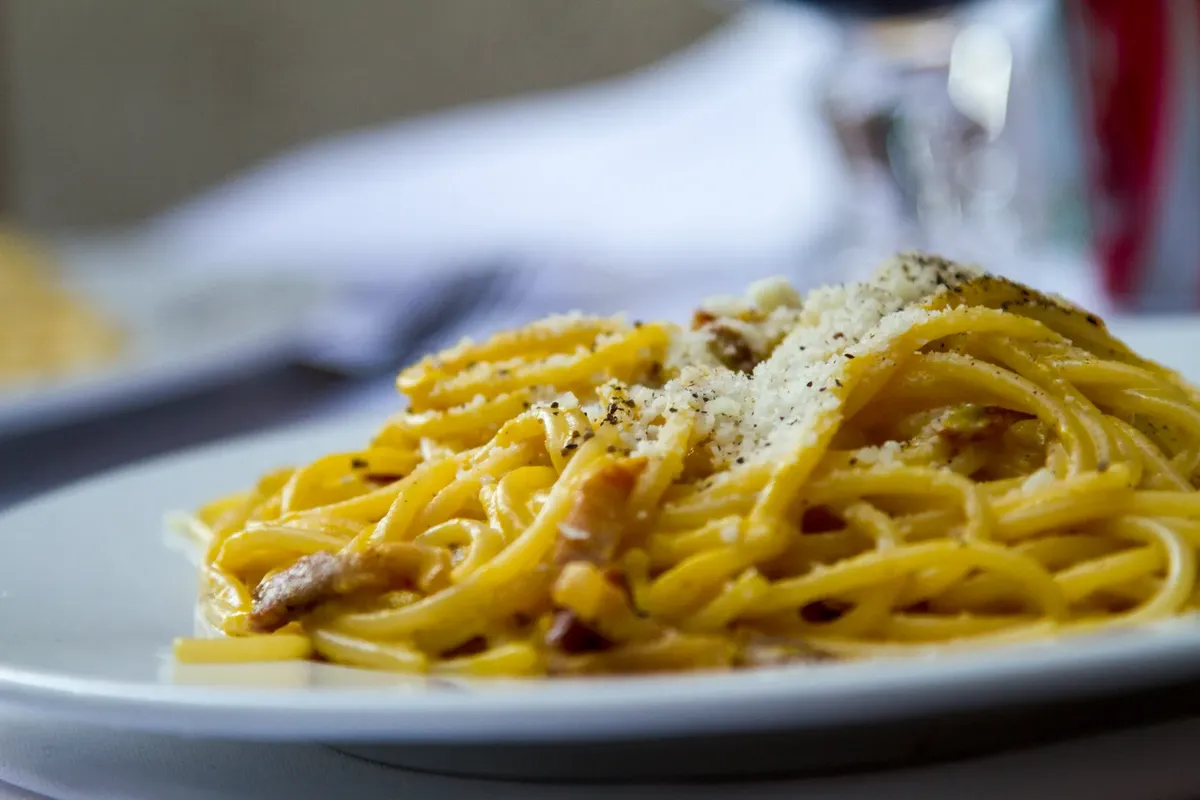
At sunset in the courtyard, a woman smiles while passing a heavy plate of italian pasta to her friends.

A family gathers around a large wooden table, passing plates of handmade pasta between generations. This focus on the ritual of eating is central to how food culture spread across different continents.
The way people interact with food is a key driver of its popularity. According to a dataset of OECD countries, Italians ranked third highest among countries surveyed on time spent eating and drinking, averaging 114 minutes per day.
This habit of dedicated dining time influences how others perceive and adopt these culinary habits.
The lifestyle of slow, intentional eating provides a template for global cooking trends. This emphasis on the experience of the meal rather than just the consumption of calories helps maintain the allure of the cuisine.
I find that the second point regarding social habits is the most significant.
How did migration shape the creator food journey?
In the quiet harbor at dawn, an immigrant grips a worn journal containing secrets of italian recipes.
An old photograph of a ship arriving at a harbor sits next to a modern tablet displaying a cooking tutorial. Understanding the history of movement helps explain the modern creator food journey.

Historical movements established the foundations for modern culinary influence. In the 1950s, more than 65% of Italian immigrants came from the south, with 30% from Calabria, 15% from Campania, and 12% from Sicily. These regional specialties became the building blocks for global recognition.
The diversity of these origins also played a role. Of the remaining 35% of immigrants, 21% came from central-southern regions, particularly Abruzzo and Molise at 14%, while 13% came from the north, mainly from Veneto and Friuli-Venezia Giulia.
This variety allowed for a wide spectrum of authentic recipes to enter new cultures.
This influence does not necessarily imply the loss of original culinary traditions.
How do regional identities impact authentic Italian cooking?
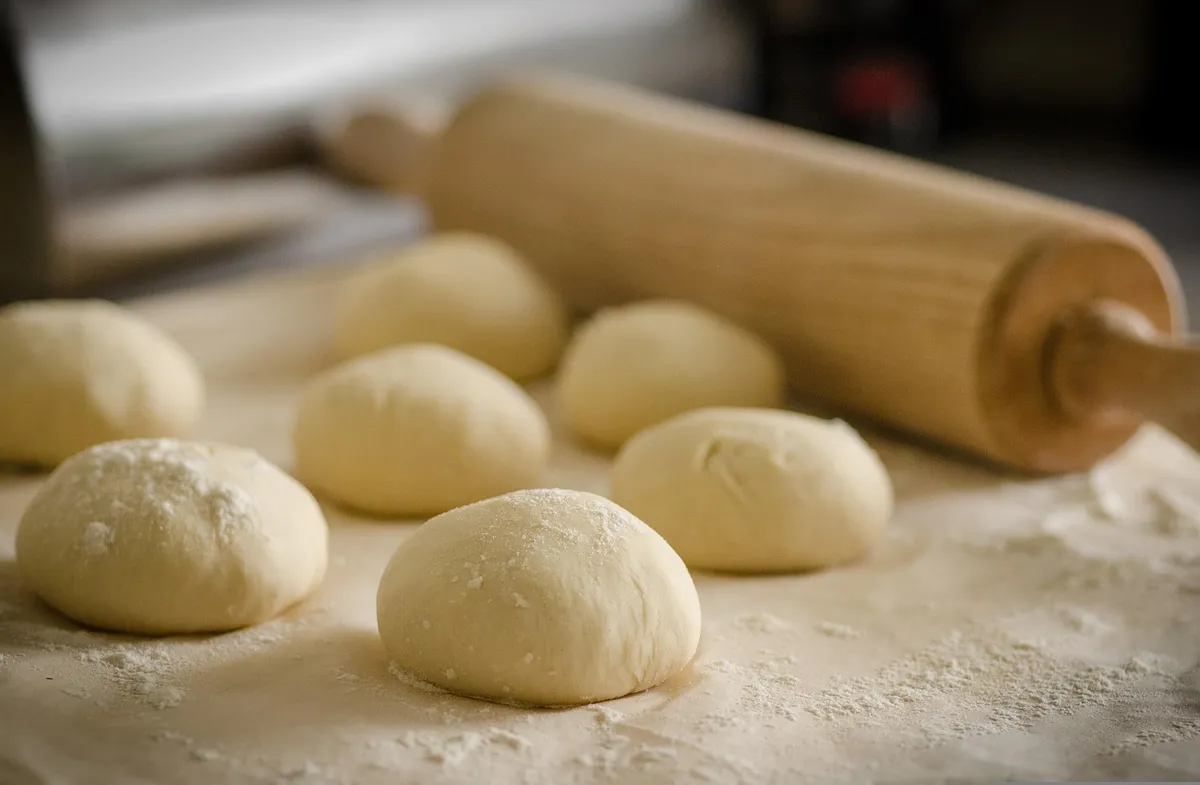
A hand sprinkles flour onto a marble countertop while preparing fresh dough. This tactile process is essential to mastering authentic Italian cooking.
The specific origins of families often dictate the recipes they share. For example, in Rosario, Santa Fe, the descendants of Italians are almost 65% of the total of the city. These localized pockets of heritage keep specific regional techniques alive.
The demographic makeup of early immigrant groups also influenced the types of work and food available.
The Italian immigrants were primarily male, aged between 14 and 50 and more than 50% literate; in terms of occupations, 78.7% in the active population were agricultural workers or unskilled laborers, 10.7% artisans, and only 3.7% worked in commerce or as professionals.
I believe the second aspect of this identity is the most complex.
What are the steps to preserving culinary heritage?
A student carefully writes notes in a journal while observing a master cook work with fresh herbs. Preserving these traditions involves a specific kind of dedication.
To maintain the integrity of the cuisine, practitioners often follow these steps:
- Identify and document specific regional techniques and ingredients. 2. Pass these methods down through communal dining and hands-on instruction. 3. Integrate traditional flavors into modern lifestyle settings.
I watched a professional chef demonstrate these steps using only basic tools to show that the essence lies in the technique, not the equipment. A final check ensures that the core ingredients remain true to their regional origins.
- Document traditional recipes and techniques.
- Educate younger generations on local ingredients.
- Support small-scale local producers.
How does economic history intersect with culinary influence?
A bustling marketplace features vendors selling fresh oils and grains to a diverse crowd. The underlying strength of a region often supports its ability to export culture.
Economic development in certain areas has historically provided a base for cultural influence.
According to a study carried out in 2015 by the Edison Foundation and Confindustria on the most industrialized provinces in Europe, of the five most industrialized provinces in Europe, three are Italian provinces.
The strength of these industrial hubs can support the global movement of goods and ideas. This economic stability helps facilitate the worldwide fan base seen in modern food media.
Yet, these historical patterns do not always apply to modern mass-produced food markets.
Related
- Gianluca Gazzoli career path: Best tips for audience shifts
- Italian media synergy study guide for professional content
How do these elements combine to sustain modern appreciation for food?
The combination of deep regional roots, the commitment to slow dining, and the historical movement of people creates a powerful narrative around Italian food. This narrative transcends mere sustenance, elevating the act of eating into a cultural performance.
The original ingredients, when treated with reverence, become vessels for this shared global memory.
The lifestyle element, which values the communal aspect of the meal, provides the framework through which the specific regional techniques are experienced by newcomers.
This shared ritualistic approach ensures that the appreciation for the food goes beyond taste; it involves participation in a cultural act. The journey of the ingredients mirrors the journey of the people who carry the tradition.
The enduring appeal of the food lies in its authenticity, a quality rooted in the specific origins of the ingredients and the methods passed down through generations. This fidelity to tradition, even when adapted for a modern audience, is what garners international respect.
This commitment to the integrity of the food is paramount to its continued global presence.








Comments 0