Italian rural lifestyle trends: why it is popular
"The soil of the old world carries the seeds of the new, blooming in unexpected corners of the globe."
Italian rural lifestyle trends are driven by a deep-rooted connection to agricultural heritage and a desire for a slower, more intentional way of life. This lifestyle appeals to those seeking a balance between economic stability and a profound connection to the land.
Key takeaways include the significant historical influence of Italian agricultural workers on global migrations, the high percentage of agricultural land maintained within Italy, and the cultural legacy left in regions such as Argentina.
Why is the Italian rural lifestyle so appealing?
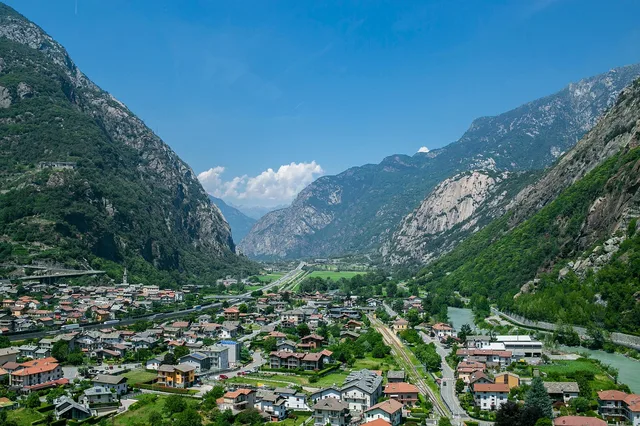
At noon, you run your hands over the warm stone walls of an Italian vineyard while breathing in the scent of rosemary.
A traveler walks through a sun-drenched vineyard, feeling the rough texture of ancient stone walls under their fingertips. The scent of rosemary and damp earth fills the air as the afternoon sun warms the rolling hills.
This sense of peace is part of why the Italian rural culture appeal remains so strong for many seeking a departure from urban density.
The appeal lies in the preservation of land and traditional methods. According to World Bank data, Italy recorded an agricultural land share of 43.6% in 2024. This vast expanse of cultivated territory supports a lifestyle centered on seasonality and local production.
Such a landscape offers a structural foundation for living that prioritizes the rhythms of nature over the frantic pace of city life.
How Italian rural lifestyle trends shaped global history
At dawn, you feel the grit of the earth against your palms as you toil in an Italian field.
An old man sits on a wooden bench in a dusty plaza, recounting stories of ancestors who crossed the ocean with nothing but tools and hope. He speaks of the heavy labor required to turn foreign soil into a home.
This historical movement explains why many people today feel a deep, ancestral pull toward the Italian village lifestyle.
The movement of people was largely driven by those skilled in manual and field labor. In the context of historical migration, 78.7% of the active population were agricultural workers or unskilled laborers, while 10.7% were artisans, and only 3.7% worked in commerce or as professionals.
This demographic reality meant that the foundational skills of the Italian countryside were exported globally, creating agricultural enclaves far from the Mediterranean.
According to World Bank, the 2024 record includes 43.6%.
What is the connection to Italian ancestry in Argentina?
During dinner in a Buenos Aires kitchen, you taste the sharp spice of an Italian sauce.
A family gathers around a large table in a bustling neighborhood, sharing recipes passed down through generations. They speak a dialect that sounds like a melodic echo of a distant village.
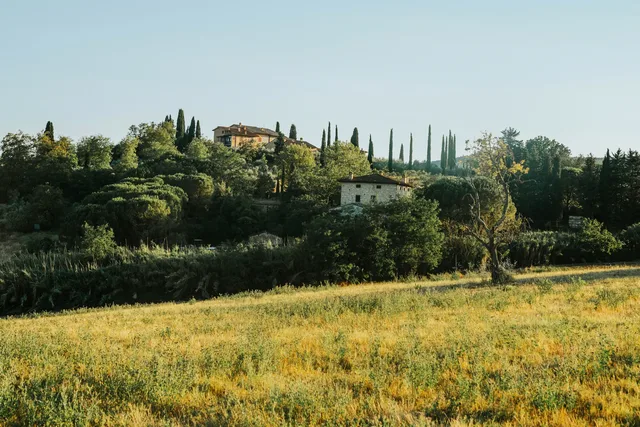
This connection highlights how living in Italian countryside traditions can manifest even in distant urban centers.
The influence of Italian heritage is remarkably visible in South America. In 2024, it was estimated that at least 30 million Argentines (62.5% of the country's population) have some degree of Italian ancestry.
This massive demographic footprint ensures that the values of the rural Italian life remain a living part of the national identity in Argentina.
How did migration patterns influence specific regions?
A researcher traces lines on a map, noting how certain provinces sent more people to specific ports than others. They observe how the movement of people followed specific paths from the south to the north.
Understanding these patterns helps explain why benefits of Italian rural living are felt so strongly in specific international clusters.
Migration was not uniform across the peninsula. In the 1950s, more than 65% of Italian immigrants came from the south, including 30% from Calabria, 15% from Campania, and 12% from Sicily.
The remaining 35% showed different distributions, with 21% coming from central-southern regions like Abruzzo and Molise, and 13% originating from the north, specifically Veneto and Friuli-Venezia Giulia.
Can we compare the economic realities of these regions?
A business owner looks at a spreadsheet, weighing the costs of urban living against the stability of rural land ownership. They compare the potential for growth in a modern economy against the traditional security of the soil.
The World Bank provides data regarding the economic and agricultural landscapes of these regions.
Analyzing why Italian rural life is popular requires looking at both heritage and modern economic data.
| Category | Metric/Detail |
|---|---|
| Italy Agricultural Land Share (2024) | 43.6% |
| Italy GDP per capita (2025) | US$43,309 |
I compare these figures to understand how a nation maintains high economic standing while preserving such a large portion of its land for agriculture.
How to trace your own rural heritage?
A person sits at a computer, scanning old handwritten letters and ship manifests. They feel a surge of excitement as a name matches a village record. Following these steps can help anyone connect with their own roots.
- Research family surnames and known regions of origin in Italy. 2. Consult census records or migration logs to identify specific departure provinces. 3. Map these origins to understand the specific agricultural or artisanal traditions of that area.
Perform a final check by verifying if the identified region matches the occupational history of your ancestors.
The scope of this analysis is limited to the historical and economic data regarding Italian land use and migration patterns to Argentina; it does not cover modern tourism trends or specific real estate markets.
- Why is the Italian rural lifestyle so appealing?
- How did Italian agricultural workers shape global history?
- What is the connection to Italian ancestry in Argentina?
How does land use compare to economic output?
Comparing the 43.6% agricultural land share to the US$43,309 GDP per capita reveals how Italy balances traditional land use with modern economic standing. This comparison shows that a nation can maintain high economic output while preserving a vast portion of its territory for agriculture.
The soil remains a structural foundation for the economy even as the country achieves significant per capita wealth.
What precautions should be taken when researching ancestry?
When tracing roots, one must exercise caution to ensure accuracy. A researcher should verify if the identified region matches the specific occupational history of the ancestors.
Comparing the known skills of a family, such as artisanal or agricultural labor, against the migration data of specific provinces helps confirm the connection to the Italian world.








Comments 0